
Solastalgia
Remembering Kangaroo Island

The harmful algae bloom (HAB) along the onshore water and coast of the southern Fleurieu Peninsula since 2025 has meant that I have stayed away from walking and photographing along the littoral zone for over six months. It used to be a daily activity, but no more. This saddens me deeply.
Glenn Albrecht’s term solastalgia is very apt, as it refers to human distress caused by environmental changes to one’s home or surroundings, leading to a loss or lack of solace and resulting in feelings of pain or sickness. It is deeply unsettling when familiar objects or environments have become unfamiliar. Freud’s concept of the uncanny is very appropriate here as he locates this experience in the strangeness of the ordinary.
Last Sunday morning I did walk over to a favourite rocky outcrop west of Kings Head in Waitpinga with Akira. To my dismay I discovered that the rock pools were full of discoloured /grey water and there were the remains of the greenish foam on the rocks. We quickly turned back.
So I have gone into the archives and looked at some photos from a trip to Kangaroo Island about a decade ago. It was autumn and we stayed at American River and spent time on the beach at Pennington Bay. This is the main surfing beach for Kangaroo Island and it is located midway between the two major towns of Kingscote and Penneshaw. It is a great beach and readily accessible off the main road that links the two towns.
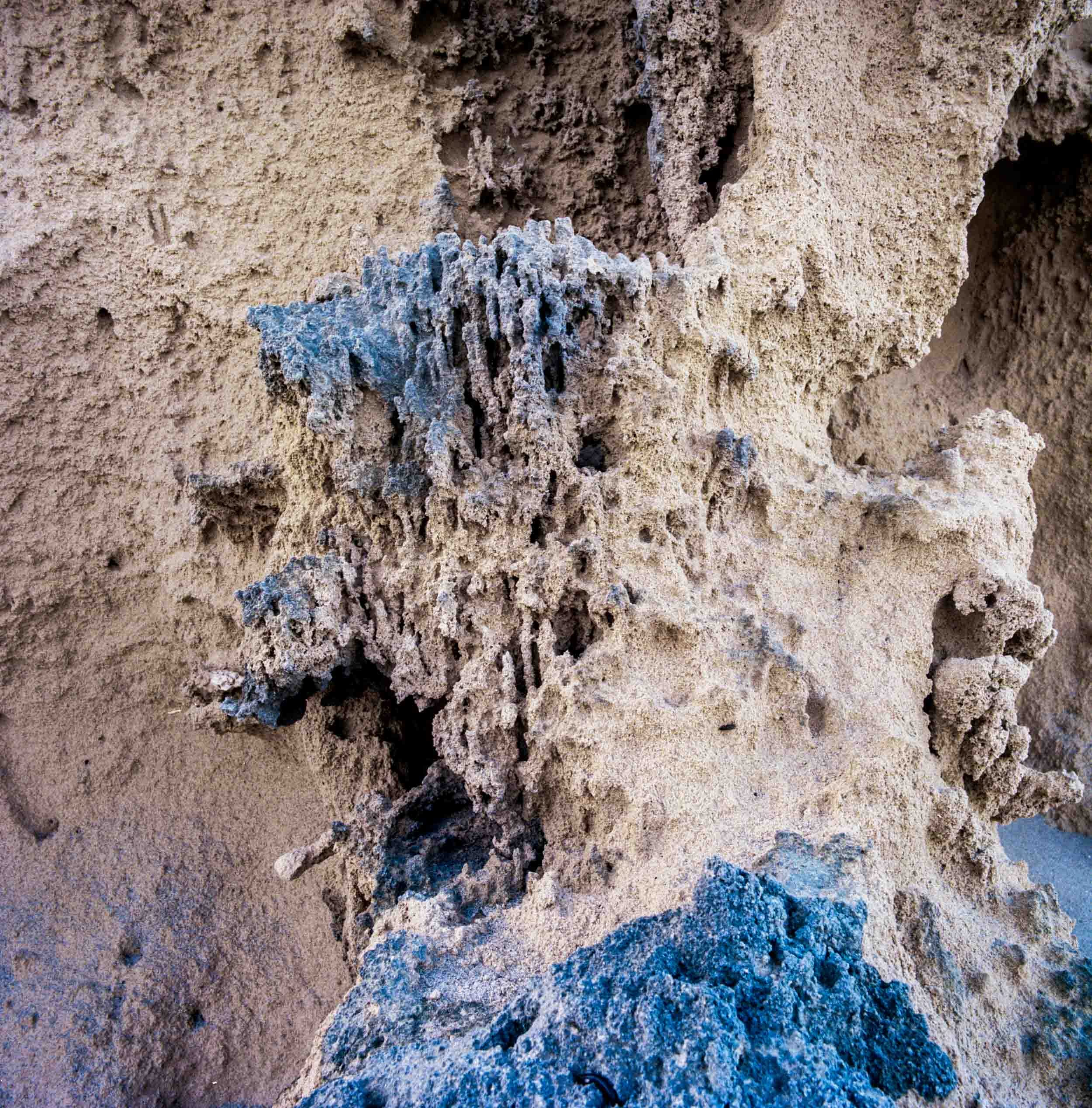
Those were happier and more innocent days prior to the blooming of the Karenia cristata algae during the marine heating event that is primarily caused by Anthropogenic climate heating. A marine heatwave is a prolonged period when the ocean is much warmer than usual for that time of year. The expectation is that there will be more such events in the future, and that they will become more frequent, longer, and more intense, often lasting months. The current bloom of the Karenia cristata algae has lasted over a year.
The ocean is a major heat sink and observations since 1961 show that about 80 per cent of the heat added to the climate system has been absorbed by the ocean with the longer and more frequent marine heatwaves being an aspect of climate change. This is leading to many of the negative impacts on Australia’s marine ecosystems (eg., the loss and degradation of coral reefs and, in southern Australia, the loss of kelp forests).
The future marine heating events, like the current one, will cause mass mortality in sea creatures, corals, and seagrasses and the collapse of marine ecosystems. There will be flow-on implications for human societies and economies, particularly in those coastal regions of Australia that are highly dependent on the marine environment and its resources (eg., commercial fishing and aquaculture).
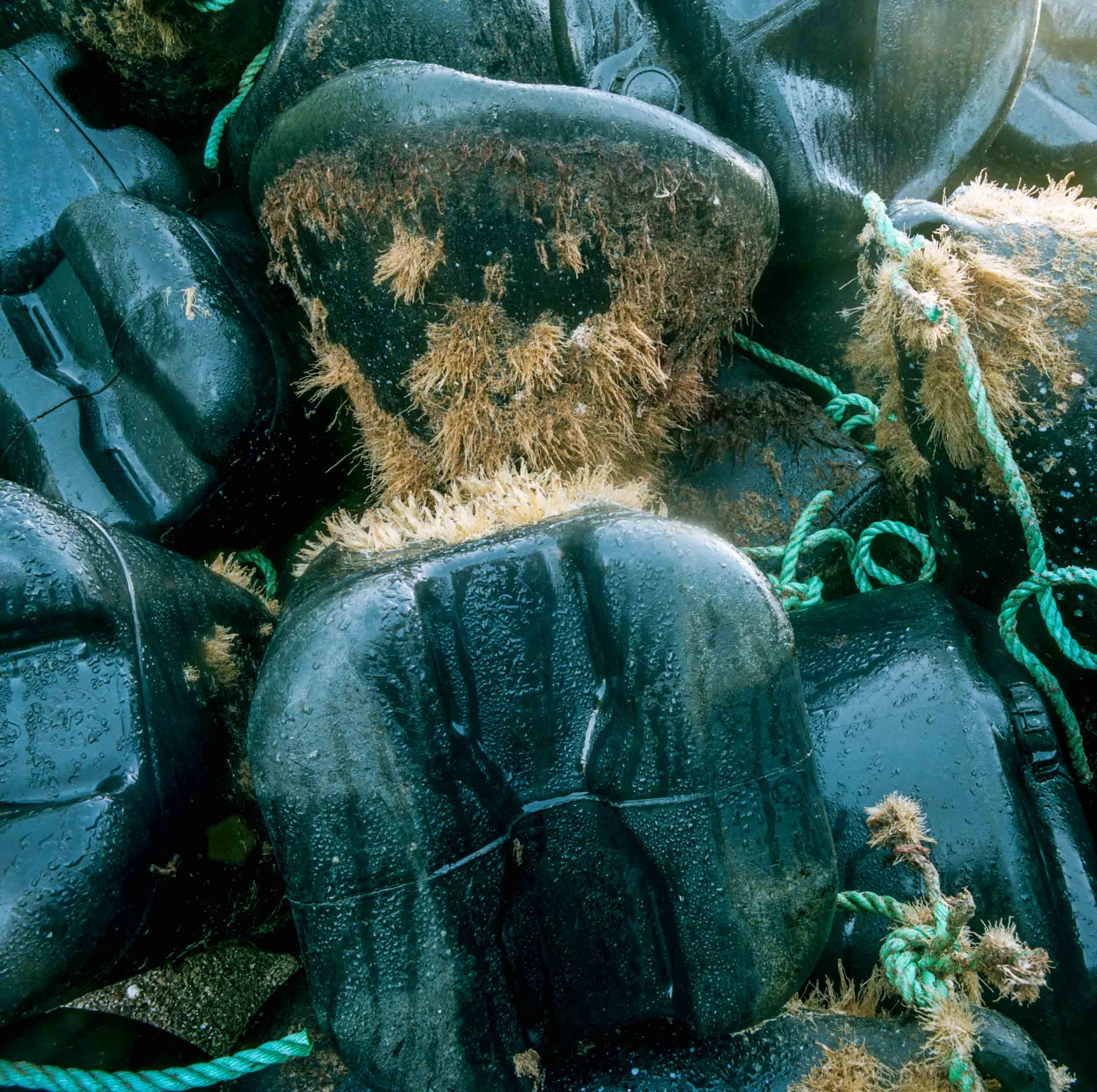
On Kangaroo Island, for instance, though the oyster farm near American River has recently opened after the harmful algae bloom (HAB) eased in Backstairs Passage, it faces an uncertain future as the marine temperatures around southern Australia and Kangaroo Island will continue to rise. Hence more marine heating.
So I hang onto my memories of being on the beaches at Kangaroo Island. They have become very precious given the current homesickness I have when I am still at home.
,
Thanks Gary, an interesting and touching read. I have similar affective responses when visiting the rivers in NZ where we used to swim as kids. All closed more often than open now.