
Karenia cristata
toxic algal bloom

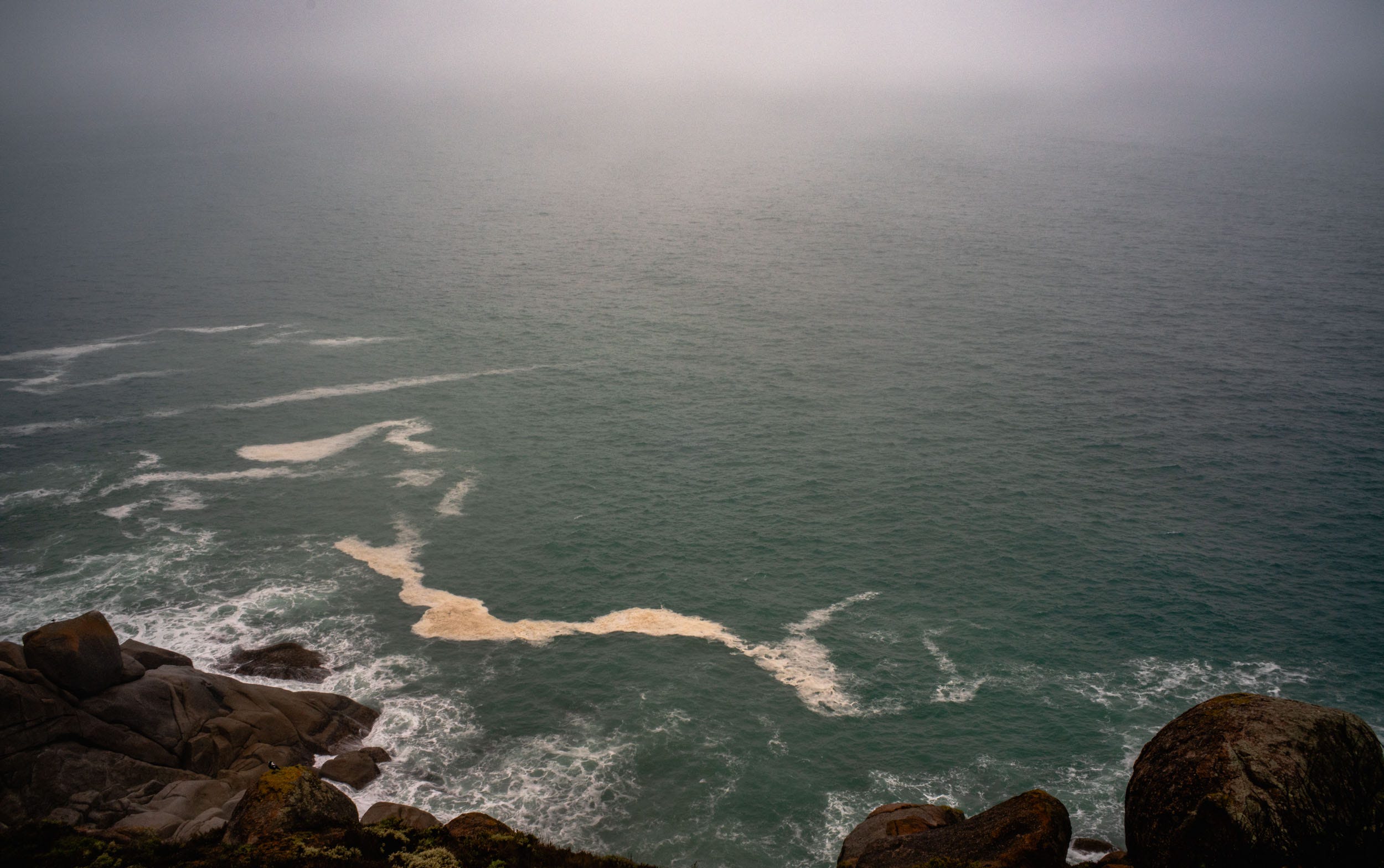
There has been a massive and unprecedented toxic algal bloom dominated by Karenia cristata persisting along the South Australian coastline, including that of the Fleurieu Peninsula since March 2025. It has not been recorded before in South Australian waters.
Karenia cristata has caused widespread marine life mortality and released air-borne biotoxins called brevetoxins. The bloom is linked to climate-driven marine heatwaves and high agriculture nutrient levels that enter the sea through the local rivers and storm water. It has led to the deaths of millions of fish and sharks, impacted marine mammals and birds as well as tourism and fishing. We lost Kalani, our 11 month standard poodle pup, to the brevetoxins.
Research by CSIRO has shown that this harmful algal species (HAB) was always present in South Australian waters during the past decade that samples have been collected. In 2025 something happened in the environment that made it dramatically increase in abundance. What we know is that it was initiated by an offshore nutrient upwelling event and the dramatically increased due to a marine heatwave in 2024-25 that increased water temperatures in coastal waters of the Southern Ocean by 2.5°C above average.
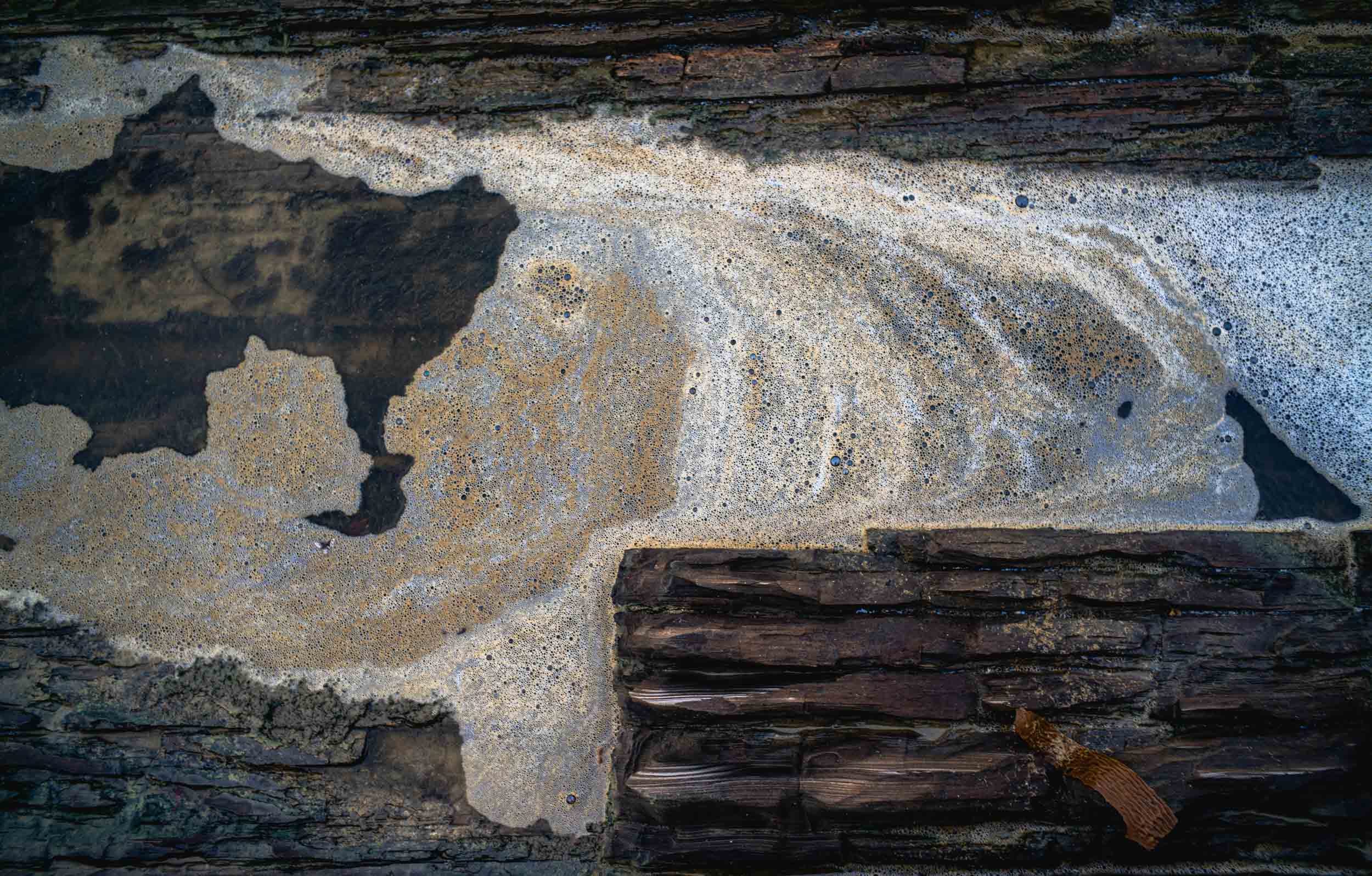
There is potential, ongoing and severe ecological damage during 2026 as Karenia cristata adapts to changing water conditions. It currently appears as strands of discoloured water in the inshore waters and in the rock pools around and nearby Kings Head, Waitpinga.
Though SA has solid oceanographic modelling, it has very limited taxonomy expertise in marine harmful algae blooms (HAB), no cultural expertise for ecophysiological studies, nor HAB toxin analytical chemistry. Nor has Australia an analytical laboratory accredited for brevetoxin analysis.
Senior state and federal politicians and government officials responded with unjustified statements to show they were in control and to manage and ease the public’s concerns about the marine deaths and impacts on human health. The rhetoric was that it caused by river Murray floods, and that it was an irritant not a poison. A large number of ad hoc competing committees were created, many without or with very limited algal experts involved. The message was that the irritant wasn’t caused by human actions in South Australia nor state government inaction.
Australia was caught short and it lacks a toolbox of potential methods, compounds and technologies to mitigate the Karenia blooms and their impacts in the conditions of climate change.